-
March 27, 2020 • Palm Oil, Soy • Africa, Latin America, Southeast Asia
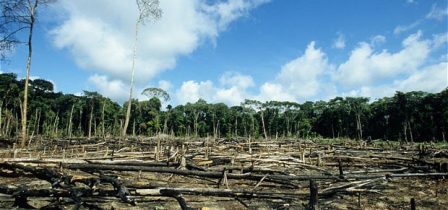
The Chain: Deforestation’s Public Health Impact in the Spotlight Amid COVID-19 Outbreak
Editor’s note: We hope that you are healthy and productive as we all grapple with the COVID-19 pandemic and the uncertainty of what is ahead. The CRR team is hard at work to continue bringing you independent sustainability risk analysis. In the coming weeks and months, we’ll be working to provide insightful analysis while also …
-
March 5, 2020 • Other (Beef, Timber, Coffee), Palm Oil, Soy • Latin America, Southeast Asia

The Chain: Despite New Commitments from Tyson, Kellogg’s and PepsiCo, Industry Still Mixed on Progress in Reducing Deforestation Risks in Supply Chains
Recent pressure from investors and NGOs have facilitated downstream actors to either adopt new zero-deforestation commitments or enhance existing pledges. This year is key for major consumer-facing companies as many have targeted 2020 to completely eliminate deforestation from their supply chains. But the industry as a whole has fallen short of this goal, with some …
-
February 14, 2020 • Other (Beef, Timber, Coffee), Palm Oil, Soy • Latin America, Southeast Asia
The Chain: BlackRock Flags Importance of Sustainable Agriculture, Falls Short in Accountability
BlackRock, the world’s largest asset manager, recently released a report on its engagement with agricultural firms and the risks and opportunities the industry faces connected to environmental and social (E&S) issues. The communication comes just weeks after the investment firm joined the Climate Action 100+ group and emphasized that climate change is now central to …
-
January 31, 2020 • Other (Beef, Timber, Coffee), Soy • Latin America

The Chain: JBS’ Market Presence in China Set to Grow After Deal With WH Group, Increasing Deforestation Risks
Brazilian meatpacker JBS has signed a Memorandum of Understanding (MoU) with Chinese company WH Group to boost its sales of fresh meat in China, where consumption is rising at a rapid pace. This deal could bring in 3 billion Brazilian real (USD 717 million) per year for the two companies, and first shipments should begin …
-
January 31, 2020 • Other (Beef, Timber, Coffee), Palm Oil, Soy • Latin America, Southeast Asia
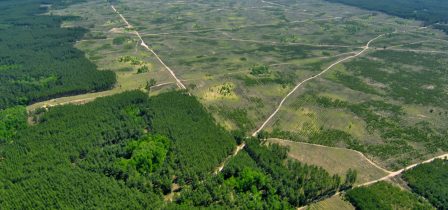
Financing Deforestation Increasingly Risky Due to Tightening Regulatory Frameworks
The trend to integrate sustainability factors into financial regulatory frameworks is creating compliance, legal and reputational risks for local banks and investors financing forest-risk commodities in tropical countries. International banks and investors exposed to these supply chains may also be affected. Based on public sources and interviews, this report analyses the integration of sustainability in …
-
January 17, 2020 • Palm Oil, Soy • Latin America

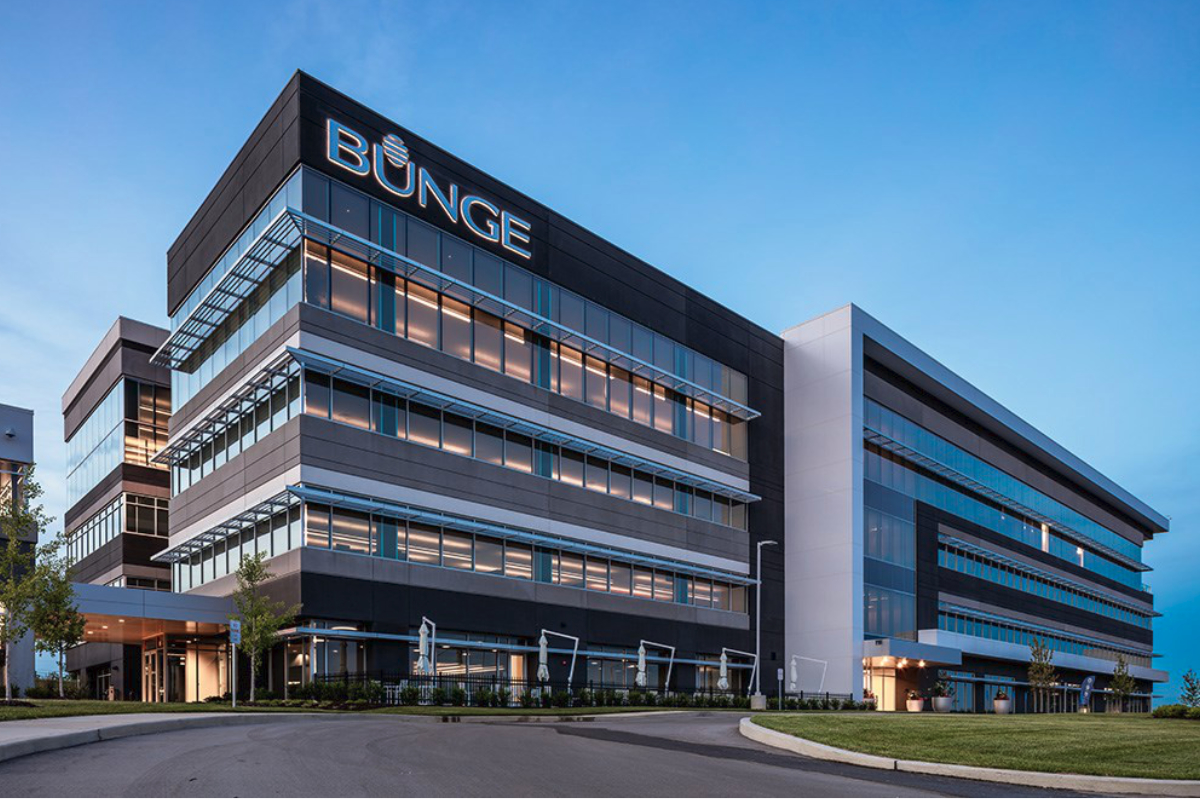
The Chain: Bunge’s Sustainability-Linked Loan Pegged to Transparency in Soy and Palm Activity
Agriculture giant Bunge recently announced that it closed its first sustainability-linked revolving credit facility, worth USD 1.75 billion. The new facility agreement links Bunge’s interest rate to its performance on five sustainability targets. These involve cutting greenhouse gas emissions with improved industrial efficiency; increased traceability on its agricultural commodity supply chains; and increased sustainable practices …
-
January 10, 2020 • Other (Beef, Timber, Coffee), Soy • Latin America

The Chain: BlackRock, Vanguard Among Financial Firms U.S. Lawmakers Targeting in Effort to Curb Ag-Driven Deforestation in Brazil
A group of lawmakers in the U.S. House of Representatives last month sent letters to major U.S.-based financial institutions calling on them to take specific actions to influence agricultural companies to reduce deforestation in Brazil. The letters, spearheaded by Rashida Tlaib (Democrat-Michigan), highlight the financial sector’s investments in firms that are exposed to deforestation risks …
-
December 17, 2019 • Soy • Latin America
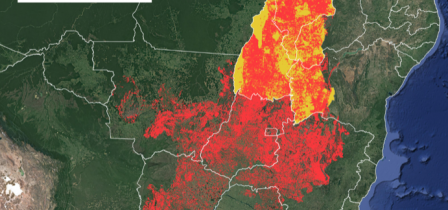
Feed and Livestock in Brazil, China, EU Consume Most Cerrado Soy
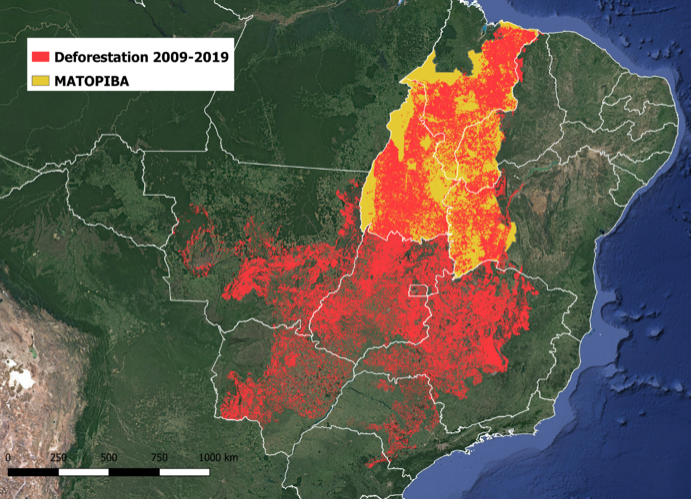
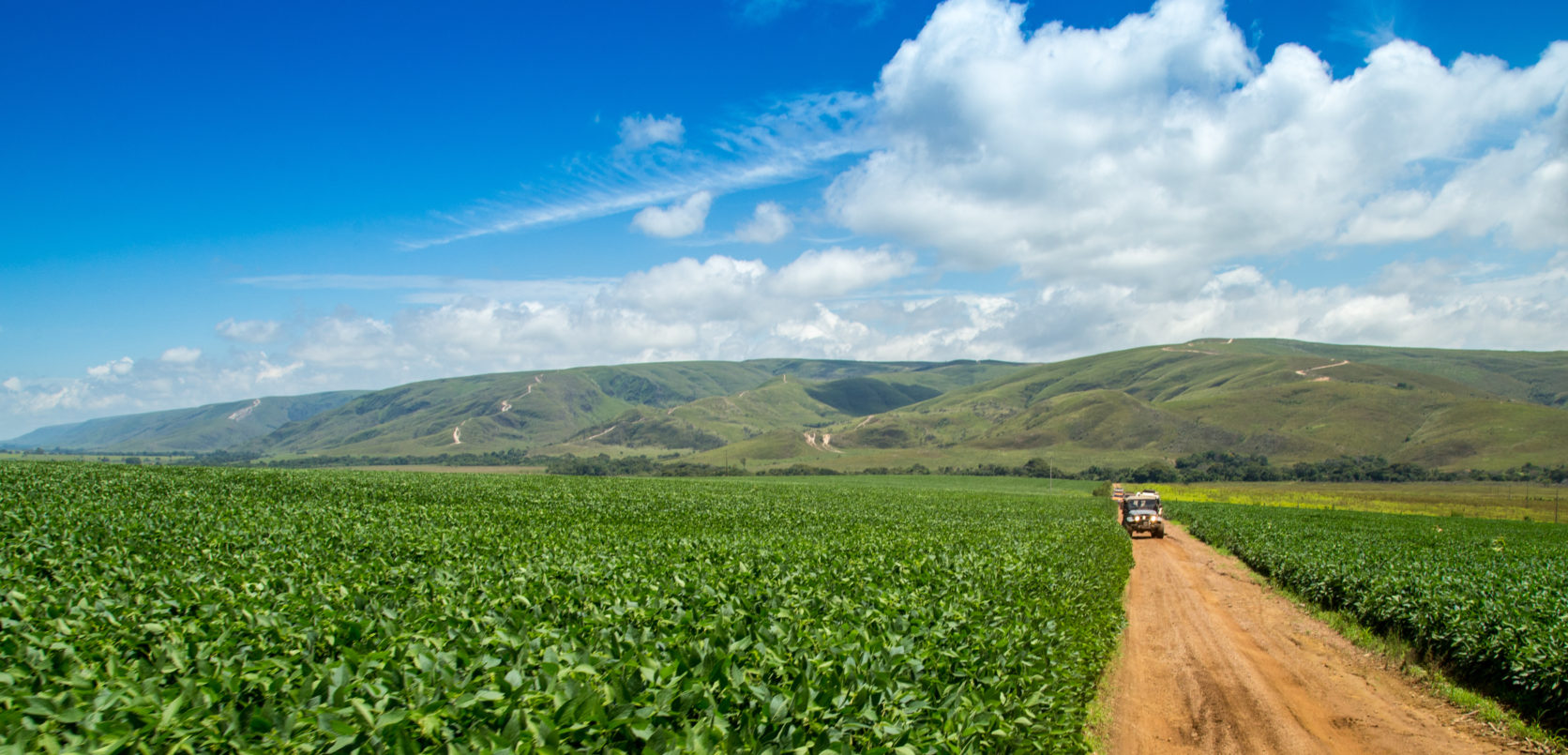
Driven by the booming global meat industry and growing markets for vegetable oils, soybeans have become the primary protein crop globally. High production growth rates are particularly prevalent in South America, contributing to massive deforestation, biodiversity loss, fires and emission of greenhouse gases. The Matopiba region, home to most of the remaining native vegetation of …
-
December 13, 2019 • Other (Beef, Timber, Coffee), Palm Oil, Soy • Latin America, Southeast Asia

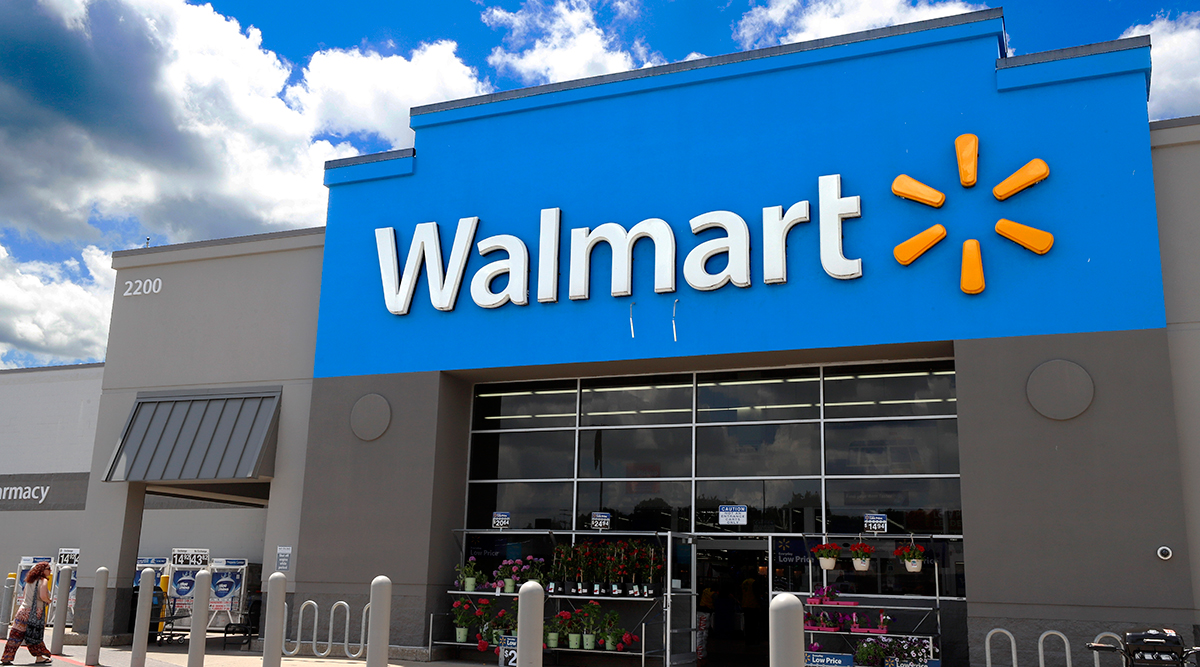
Deforestation Not ‘an Immediate Priority’ for Walmart Despite Financial Risks
By revenue, Walmart is the largest company in the world, employing about 2.2 million people and serving over 265 million customers a week. Private-label products sold by Walmart contain commodities that contribute to deforestation. For the forest-risk commodities – palm oil, pulp and paper, soy, and beef – Walmart has set zero net deforestation goals for 2020. Although …
-
December 12, 2019 • Soy • Southeast Asia
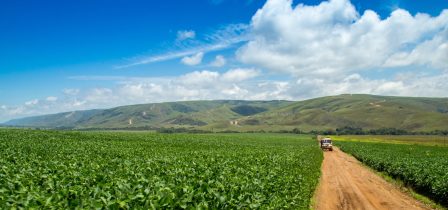
The Chain: Downstream Companies and Investors Push for Deforestation-Free Soy in Brazil; Commodity Traders Remain Quiet
Key members of the soy industry, major corporations, and actors in the financial community are collaborating on efforts to protect against increased deforestation in Brazil’s Amazon and Cerrado. A letter sent by 84 companies, including Fast Moving Consumer Goods companies, as well as investors with more than USD 3 trillion in assets under management, at …