-
March 1, 2019 • Other (Beef, Timber, Coffee), Palm Oil, Soy • Latin America, Southeast Asia
The Chain: Limited Response from Financial Institutions to U.S. Senators’ Call to Tackle Deforestation
A group of U.S. Senators recently sent letters on February 4, 2019 to investors and asset managers urging them to take into account deforestation risks in their portfolios. The Senators, led by Brian Schatz, a Democrat from Hawaii, asked the financial actors to commit to pressuring companies in agricultural supply chains that do not adequately address …
-
February 25, 2019 • Soy • Latin America
The Chain: Soy Traders Adopt Key Transparency Measures to Counter Deforestation Risks
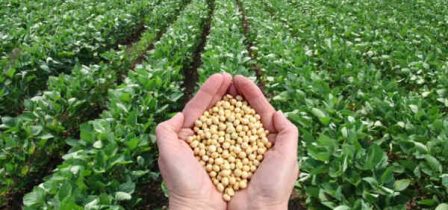
Major agricultural commodity traders that operate in Brazil have agreed to a set of principles and transparency measures in an effort to reduce deforestation driven by soy production in Brazil’s Cerrado. As part of the Soft Commodities Forum, companies such as ADM, COFCO International, Glencore, Louis Dreyfus, Bunge and Cargill said last week that they …
-
February 7, 2019 • Palm Oil, Soy • Latin America, Southeast Asia
The Chain: COFCO Warns of Business and Reputation Risks in Agricultural Supply Chains
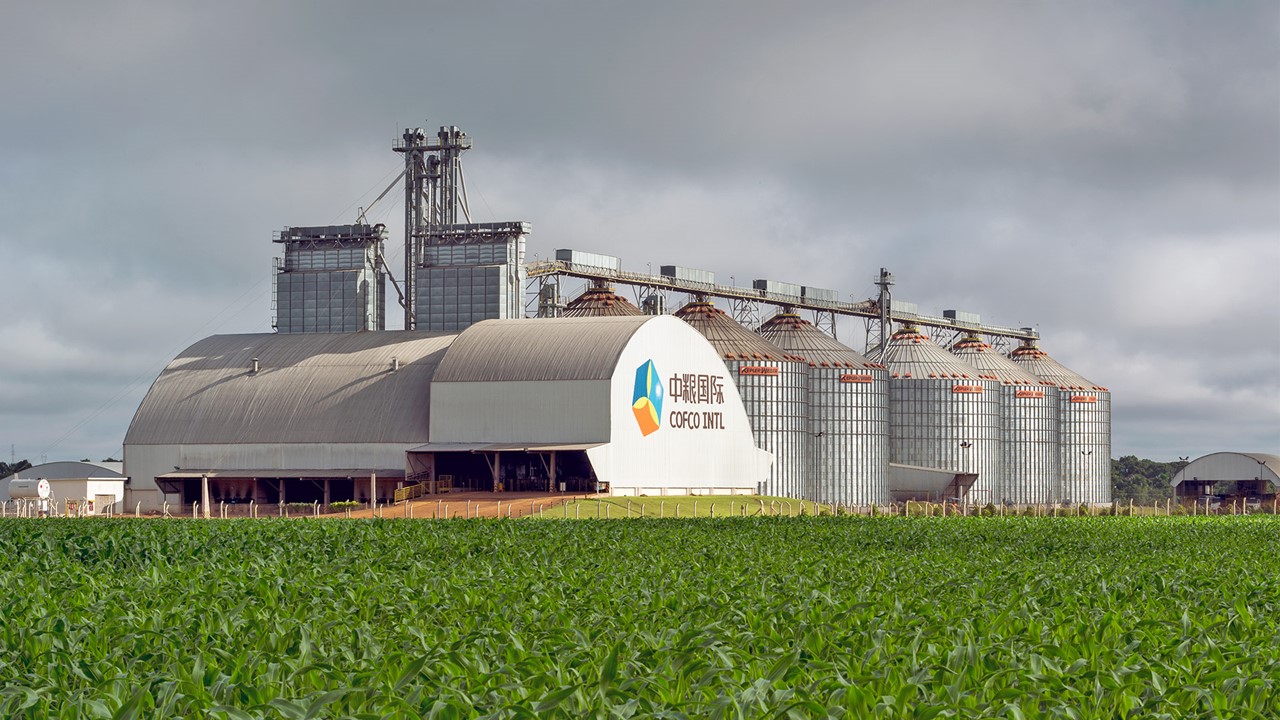
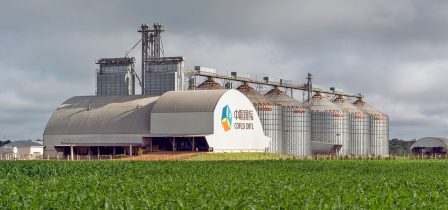
COFCO, a major Chinese company active in agricultural markets, released a statement in late January at the World Economic Form (WEF) in support of shoring up “sustainable” practices and curbing deforestation in commodity supply chains. COFCO’s CEO, Jun Lyu, warned industry that failure to curb climate change could lead to poor crop production and limit …
-
The Chain: Investor Engagement Prompts Aramark to Adopt No Deforestation Policy
Faced with investor pressure, food service provider Aramark announced January 23, 2019 that it plans to put into effect a no-deforestation commitment by 2025. As a result, Green Century Capital Management withdrew its shareholder resolution it had filed with Aramark. The company, headquartered in Philadelphia, says it will implement a No Deforestation, No Peat, No …
-
January 17, 2019 • Other (Beef, Timber, Coffee), Soy • Latin America
The Chain: Rising Brazilian Beef Exports to China to Test Sustainability Commitments
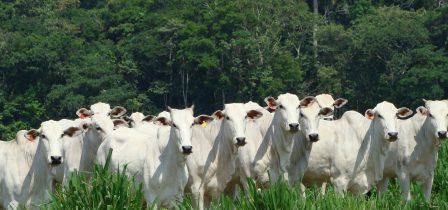
Higher Brazilian beef exports to China are likely to test sustainability commitments in both countries. China (including Hong Kong) imported 44 percent of Brazil’s total beef exports in 2018, compared to 40 percent in 2017 and 35 percent in 2016. Brazil, the largest exporter of beef in the world even though most of the country’s …
-
December 19, 2018 • Soy • Latin America
The Chain: Bunge’s Updated Sustainability Policy Does Not Address Legal Deforestation
Major agricultural commodity trader Bunge updated its commitment to sustainability along its grain and oilseeds supply chains last month in an effort to further curb deforestation. While Bunge has made progress in its sustainability strategy, its update falls short of expectations that the company would address legal deforestation and provide more details about its measures …
-
December 17, 2018 • Other (Beef, Timber, Coffee), Soy • Latin America
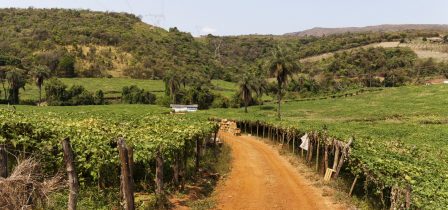
Foreign Farmland Investors in Brazil Linked to 423,000 Hectares of Deforestation
Brazil is one of the top target countries for farmland investment deals, because of the potential for high yields and productivity. The country has been an attractive destination for investors who buy farmland to diversify their portfolios and seek stable returns. Following the financial crisis of 2007 and 2008, institutional investors, including pension funds, university …
-
December 13, 2018 • Soy • Latin America
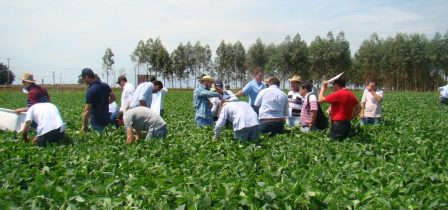
The Chain: BrasilAgro Moves Forward with Deforestation at Chaparral
BrasilAgro continues to clear land on its Chaparral farm in Correntina, a municipality in the Brazilian state of Bahia. In October and November, the company deforested a total of 1,194 hectares at Chaparral, according to satellite images (see below) from Chain Reaction Research (CRR) partner Aidenvironment. Clearing of native vegetation at Fazenda Chaparral (left October …
-
December 6, 2018 • Palm Oil, Soy • Latin America
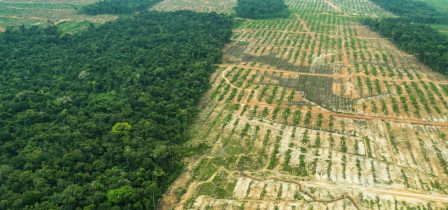
The Chain: Alicorp Faces Reputational Risks From Sourcing Palm Oil Linked to Deforestation; Tesco Further Commits to Sustainability
Peru’s largest consumer goods company Alicorp is facing criticism over a recent report that the company is sourcing palm oil from deforested plantations. Research organization Convoca published a report on November 30, 2018 that Alicorp has been purchasing palm oil that is linked to deforestation. Convoca says that Alicorp has bought palm oil that originated at …
-
November 28, 2018 • Soy •
BrasilAgro: 5,069 Hectares of Cerrado Forest at Imminent Risk
This report builds on Chain Reaction Research’s (CRR) company profile on BrasilAgro, published in November 2017. It showed that from 2012 to 2017, BrasilAgro had cleared 21,690 ha of native vegetation in the Brazilian Cerrado. BrasilAgro has faced the risk of losing clients with zero-deforestation commitments, as well as an overvaluation of its land portfolio. …