-
November 5, 2019 • Soy • Latin America
The Chain: Cerrado Fires Show TIAA and Harvard’s Endowment Face Mounting Deforestation Risks
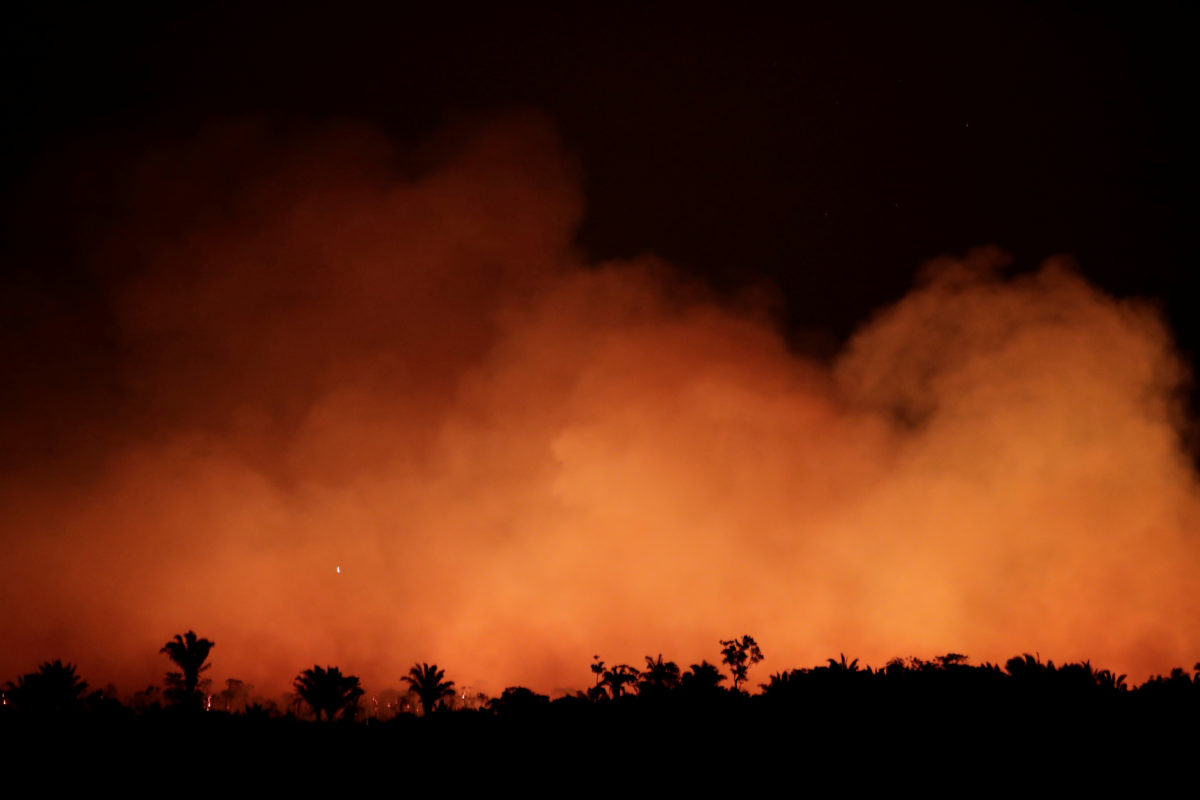
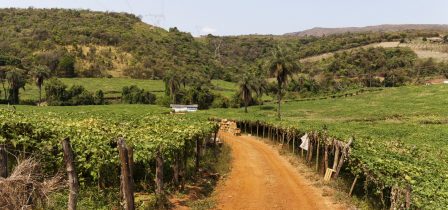
An investigation by several NGOs including Friends of the Earth and GRAIN shows that recent fires in Brazil have taken place on farms owned by Harvard University’s endowment fund and the Teachers Insurance and Annuity Association (TIAA). In addition to the Amazon fires that have received the bulk of media attention, fires have also taken …
-
November 4, 2019 • Soy • Latin America
JJF Holding Land-Grabbing Case Intensifies Soy Traders’ Exposure to Cerrado Deforestation
This report analyses deforestation risks linked to the “JJF Holding de Investimentos e Participações” land-grabbing case in Formosa do Rio Preto in the Matopiba region of the Cerrado biome (Brazil). The JJF Holding case, one of the largest land-grabbing incidents in Brazil, is linked to land tenure insecurities that cover 366,000 hectares in one of …
-
October 8, 2019 • Palm Oil, Soy • Latin America, Southeast Asia
The Chain: China’s Palm Oil Imports Surge Amid Global Trade Shifts, Potentially Challenging Zero-Deforestation Commitments
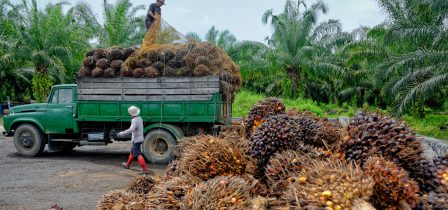
Significant shifts in soft commodity trade are continuing rapidly. China’s palm oil imports in August reached their highest level in six years at 590,000 tons. At current pace, China’s imports of palm oil are set to be the highest annual rate ever in 2019. This is likely another consequence of the U.S.-China trade war. As …
-
September 27, 2019 • Other (Beef, Timber, Coffee), Palm Oil, Soy • Latin America, Southeast Asia

The Chain: Nestlé, Danone, Unilever, and General Mills Closest Among Major FMCGs to Achieving 2020 Zero-Deforestation Targets
Dozens of the largest fast-moving consumer goods companies (FMCGs) have pledged to combat deforestation in recent years. Many did so as part of the Consumer Goods Forum (CGF), which in 2010 set a goal of achieving net-zero deforestation by 2020 by responsibly sourcing soy, palm oil, paper and pulp, and cattle. Many also endorsed the …
-
September 19, 2019 • Other (Beef, Timber, Coffee), Soy • Latin America
The Chain: Investor Pressure Mounts on Companies Connected to Amazon Fires, Deforestation in Brazil
Since the Amazon fires became worldwide news in August, companies operating in Brazil and the country itself have come under increased scrutiny and greater pressure from investors to address their roles in deforestation. Evidence shows that the fires in the Amazon overlap with human-driven deforestation. The likely response by the international community, consumers, and investors …
-
August 29, 2019 • Other (Beef, Timber, Coffee), Soy • Latin America
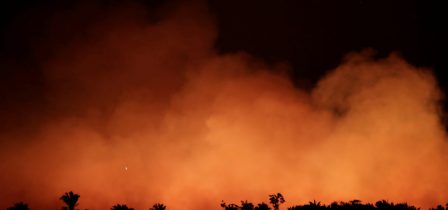
The Chain: Amazon Fires Highlight the Need for Stricter Execution of Corporate Zero-Deforestation Policies
High deforestation rates in Brazil and massive fires in the Amazon have put agricultural companies operating in the country and their investors in the spotlight. Agricultural supply chains are key drivers of deforestation, with cattle and soy playing major roles. With agricultural expansion taking place in Brazil and environmental regulations having been loosened there since …
-
August 1, 2019 • Soy • Latin America

Glencore Agriculture Exposes Canadian Pension Funds to Deforestation Risks
Glencore Agriculture is an agricultural commodity trading company that operates in corn, cotton, soy, and grains markets. Glencore Agriculture has been a stand-alone business since Glencore PLC divested in 2016. Its main shareholders are Glencore PLC (49.99 percent), the Canada Pension Plan Investment Board (CPPIB; 39.99 percent) and the British Columbia Investment Management Corporation (BCI; …
-
July 25, 2019 • Other (Beef, Timber, Coffee), Palm Oil, Soy • Latin America
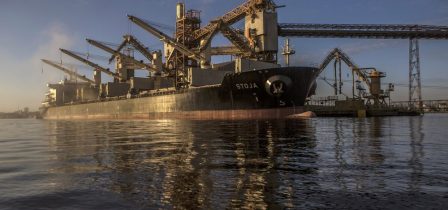
The Chain: EU Proposals for Deforestation-Free Supply Chains Another Step in the Transformation of Agricultural Commodity Trade
The European Commission (EC) this week released proposals to step up action to reduce deforestation globally and cut the EU’s exposure to deforestation-linked commodities. The EC laid out plans to stimulate the use of deforestation-free products through both “regulatory and non-regulatory measures.” Recognizing that relying on voluntary approaches and non-binding guidance is not enough, the …
-
July 22, 2019 • Soy • Latin America
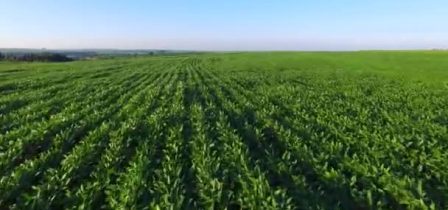
Cargill’s New Policies Insufficient to Fully Mitigate Deforestation Risks in Brazil
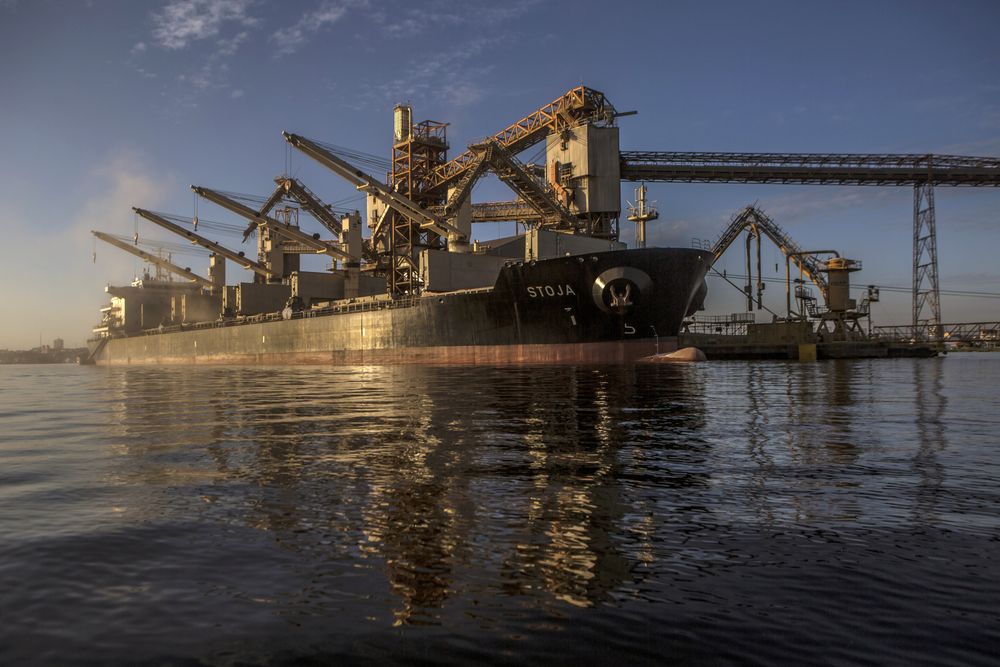
Cargill is the largest privately-held company in the United States and the second largest soy exporter in Brazil. In April 2018, Chain Reaction Research (CRR) concluded that Cargill’s 2030 zero-deforestation deadline allowed its Brazilian suppliers to continue deforesting in the Cerrado. This report assesses Cargill’s current deforestation risks in Brazil’s soy supply chain, given recent …
-
July 16, 2019 • Palm Oil, Soy • Latin America, Southeast Asia
The Chain: BlackRock’s Palm Oil Engagement Shows Limitations of Passive Funds in Sustainable Investments
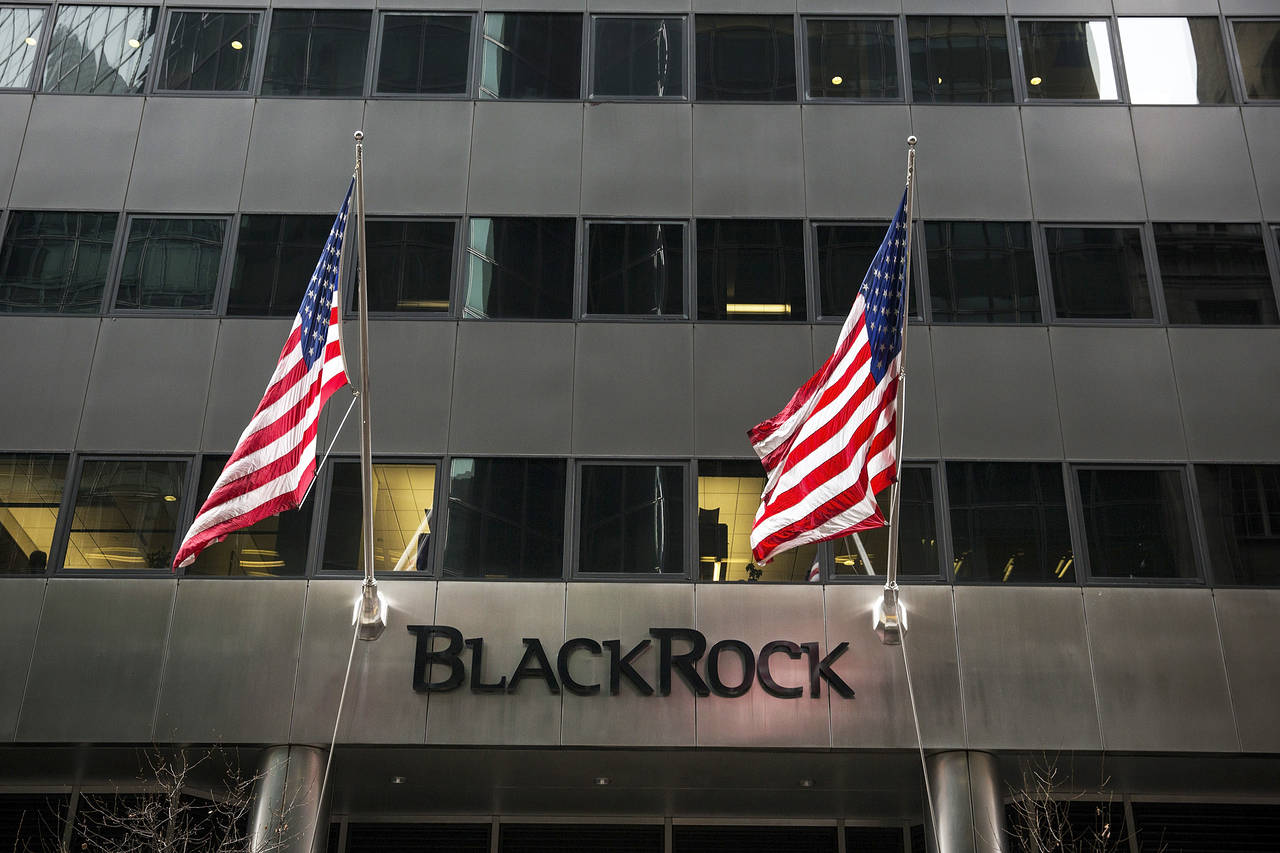
BlackRock’s recent statement that it is engaging with palm oil companies to better understand the industry’s challenges related to biodiversity and deforestation marked the first public acknowledgement from the firm of ESG risks associated with this sector. “Our engagements were part of an ongoing, multi-year effort to further our understanding of, and encourage companies to …