-
May 19, 2020 |
Soy • Latin America
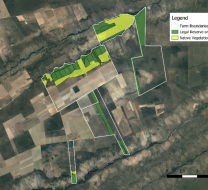
BrasilAgro, a publicly-traded farmland investor, has expanded its farmland holdings by 33,500 hectares (ha) in recent months. Native vegetation covers 11,915 ha of this area, and
-
January 23, 2020 |
Latin America
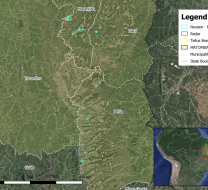
This report analyses the sustainability and financial risks of the farmland investment funds of the Teachers Insurance and Annuity Association of America (TIAA, formerly
-
December 17, 2018 |
Other (Beef, Timber, Coffee), Soy • Latin America
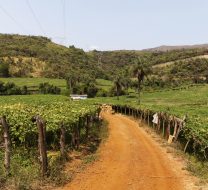
Brazil is one of the top target countries for farmland investment deals, because of the potential for high yields and productivity. The country has been an attractive destination
-
November 28, 2017 |
Other (Beef, Timber, Coffee), Soy • Latin America
Download Report Here (PDF) Summary BrasilAgro might face the risk of losing access to clients and an overvaluation of its land portfolio because of its sustainability impacts.
-

September 20, 2017 |
Soy • Latin America
Download Report Here (PDF) — English Download Report Here (PDF) — Portuguese Following the financial crisis of 2007-2008, there has been a growing investor interest in
-

September 18, 2017 |
Soy • Latin America
Download Report Here (PDF) — English Download Report Here (PDF) — Portuguese SLC Agrícola is Brazil’s largest publicly traded farming company, founded in 1977. It
-
June 13, 2022 |
Palm Oil • Southeast Asia
Wilmar International is a leading company in the palm oil sector. It has 230,000 hectares of planted area and a 10 times greater palm oil footprint through its trading, refining,
-
March 2, 2022 |
Palm Oil • Africa
Although West and Central Africa have been promising regions for large-scale palm oil production, expansion has not gone as planned. Only a handful of companies control industrial
-
December 9, 2021 |
Palm Oil • Latin America
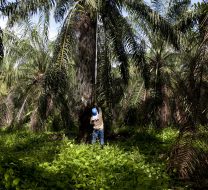
In the light of environmental and social sustainability concerns in relation to palm oil from Southeast Asia, several Latin American countries see an opportunity to open export
-
December 7, 2021 |
Palm Oil • Latin America
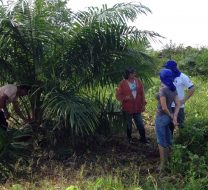
Oil palm growers in Brazil have argued that palm oil production is a “green solution” to safeguard the Amazon as a result of planting on areas already degraded and