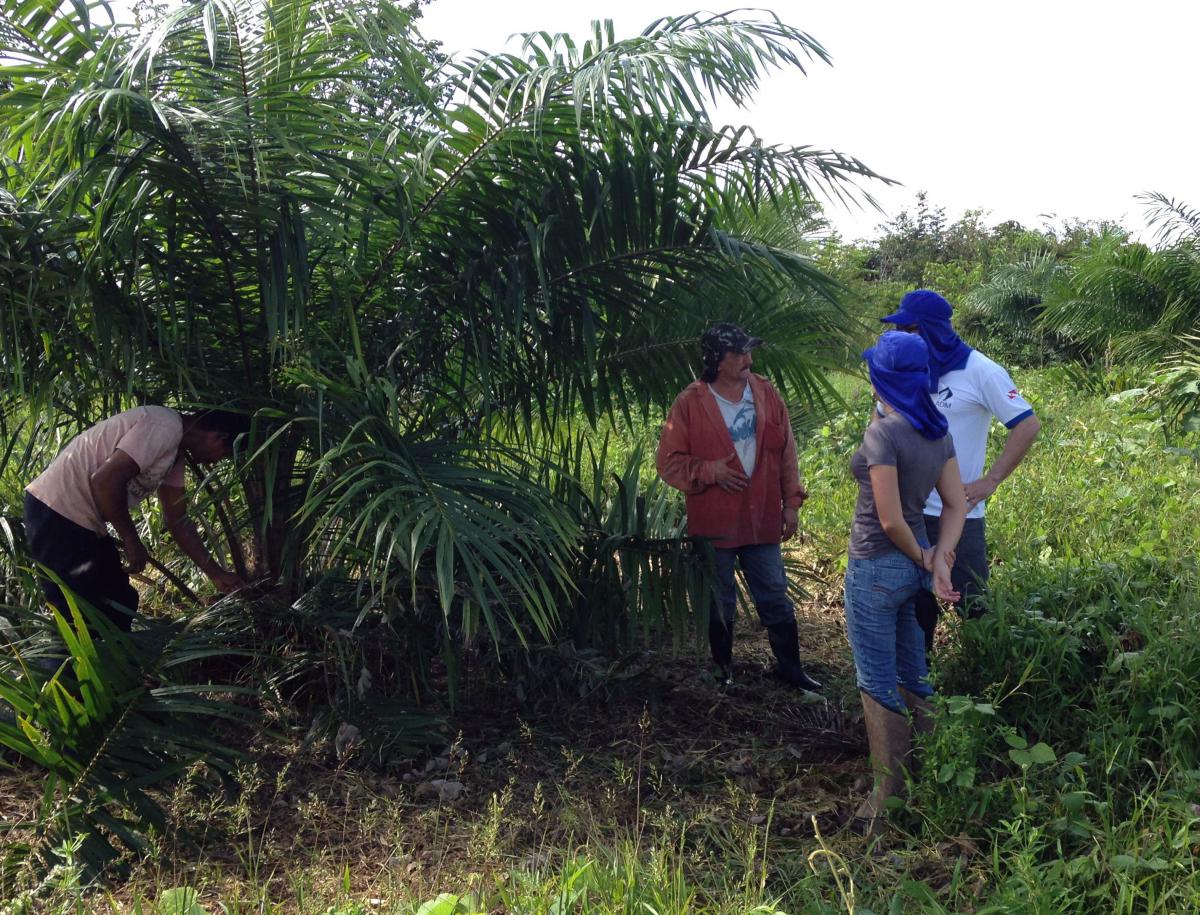
-
July 8, 2022 • Palm Oil • Latin America, Southeast Asia

EU Deforestation Regulation: Implications for the Palm Oil Industry and Its Financers
This report discusses the EU’s regulation on deforestation-free products and how its requirements will affect the palm oil industry, one of the key commodities driving deforestation. The upcoming law, expected to be implemented in 2023, will have implications for palm oil supply chain actors and their financers. Watch our webinar covering the findings of this …
-
June 13, 2022 • Palm Oil • Southeast Asia
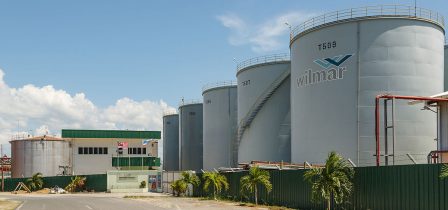
Wilmar’s Refineries and Brands Lag in Implementation of ESG Policies
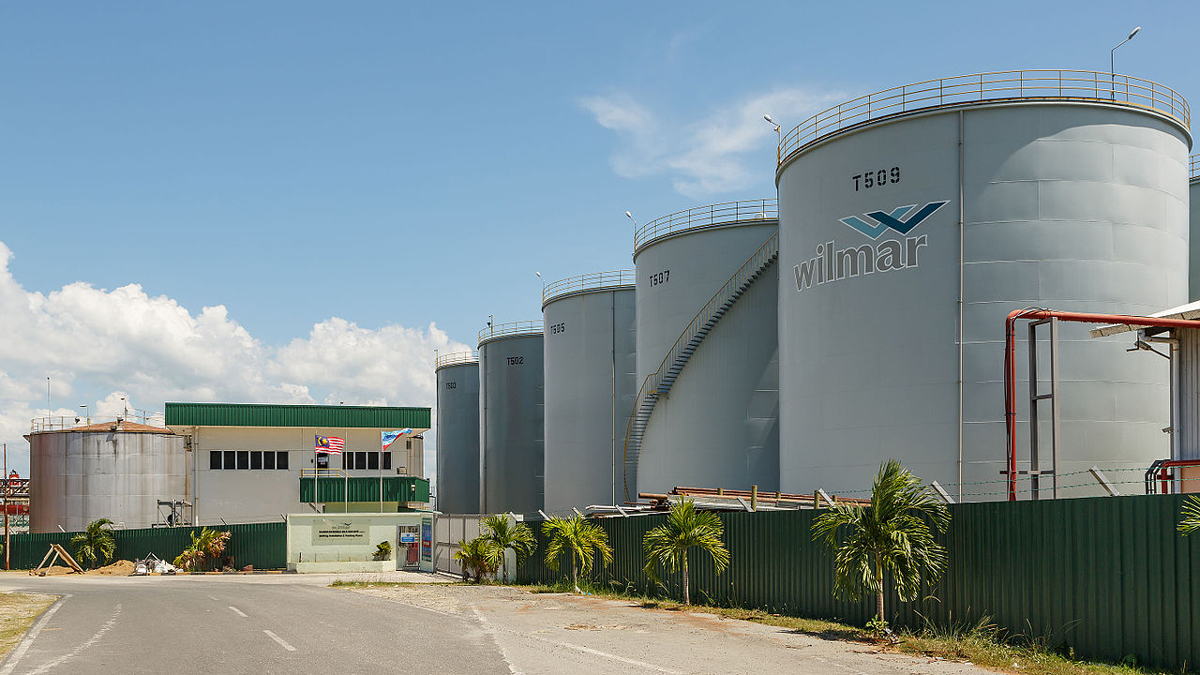
Wilmar International is a leading company in the palm oil sector. It has 230,000 hectares of planted area and a 10 times greater palm oil footprint through its trading, refining, and fast-moving consumer good activities. Concerns about ESG violations and investor ratings have hampered Wilmar, an early adopter of RSPO certification and a frontrunner in …
-
May 25, 2022 • Palm Oil • Southeast Asia
The Chain: How Limited Supply, Alleged Corruption, and the Biodiesel Market Led to Indonesia’s Cooking Oil Crisis
In April 2022, the government of Indonesia introduced a new regulation to ban the export of palm oil. The regulation (Minister of Trade Regulation Number 22/2022) covered crude palm oil and its derivatives, including refined, bleached, and deodorized palm oil (RBDPO), refined, bleached, and deodorized olein (RBDO), and used cooking oil. The regulation sought to …
-
April 1, 2022 • Other (Beef, Timber, Coffee), Palm Oil, Soy • Latin America, Southeast Asia

The Chain: Investors Back Proposed Laws in the United States That Aim to Reduce Deforestation in Commodity Supply Chains
Investors are continuing to urge governments and companies to take actions to conserve forests and curb commodity-driven deforestation. A group of NGOs and activist investors are currently putting together a sign-on letter in support of three key pieces of legislation in the United States that aim to decrease deforestation risks and human rights abuses in …
-
March 23, 2022 • Palm Oil • Southeast Asia
WEBINAR: The Changing Context of Indonesian Deforestation: Explaining Declining Rates and Remaining Threats
Chain Reaction Research held a webinar on April 14th to share our research on deforestation in Indonesia that is attributed to the development of oil palm plantations. Palm oil-driven deforestation has fallen to its lowest level in four years in 2021. The declining deforestation rates for oil palm in Indonesia are promising. However, recent …
-
March 22, 2022 • Palm Oil • Latin America
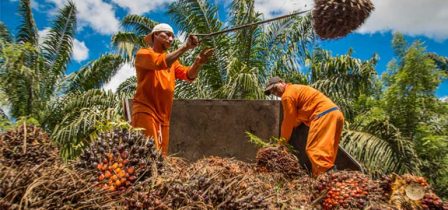
The Chain: Agropalma Faces Possible Legal, Reputational Risks from Health and Safety Violations, Conflict With Local Communities
Agropalma SA, the largest exporter of palm oil in Brazil, is facing legal and reputational risks from being ordered to pay a fine due to poor working conditions on two farms in Tailândia, which is in northeast Pará. The Labor Court of Tucuruí (also located in Pará) ordered the company to pay just under 1 …
-
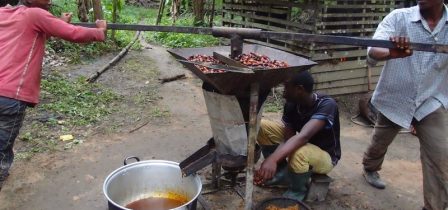
African Oil Palm Expansion Slows, Reputation Risks Remain for FMCGs
Although West and Central Africa have been promising regions for large-scale palm oil production, expansion has not gone as planned. Only a handful of companies control industrial palm oil production and will likely drive expansion, but on a smaller scale and at a slower pace than originally anticipated. Nevertheless, these companies have been linked to …
-
January 28, 2022 • Palm Oil • Southeast Asia
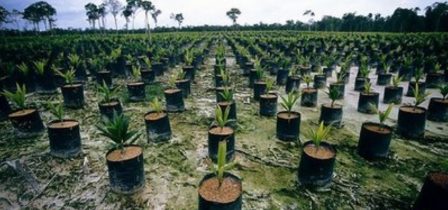
The Chain: Revocation of Permits, Increased Biofuel Volumes Point to Significant Developments in Indonesia’s Palm Oil Sector in 2022
In the past month, there have been two significant developments in Indonesia’s palm oil sector: 1) the increased allocation for the country’s biodiesel program; and 2) multiple plantation companies — including oil palm plantation companies, together with industrial tree plantations and mining companies — have had their licenses revoked as a result of their concessions …
-
December 9, 2021 • Palm Oil • Latin America
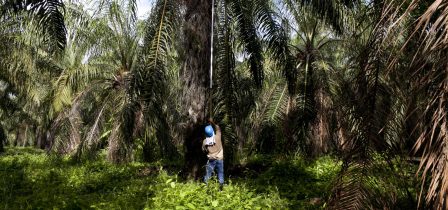
Latin American Palm Oil Linked to Social Risks, Local Deforestation
In the light of environmental and social sustainability concerns in relation to palm oil from Southeast Asia, several Latin American countries see an opportunity to open export markets as they present palm oil from the region as a more sustainable option. However, social and environmental sustainability concerns are also prominent in the Latin American sector …
-
December 7, 2021 • Palm Oil • Latin America
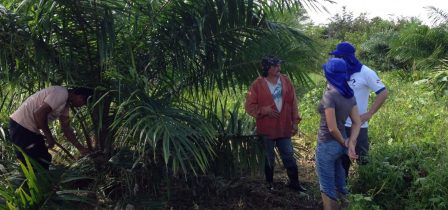
Palm Oil Production in Brazilian Amazon Threatens NDPE Commitments
Oil palm growers in Brazil have argued that palm oil production is a “green solution” to safeguard the Amazon as a result of planting on areas already degraded and cleared only before 2008. While palm oil production in the Brazilian Amazon has relatively lower environmental impacts than soy and beef, this paper shows how also …