-
November 1, 2023 • Other (Beef, Timber, Coffee), Palm Oil, Soy • Africa, Latin America, Southeast Asia
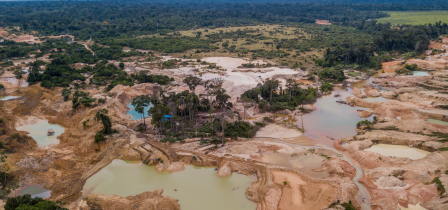
Financial Risks of Commodity-Driven Deforestation: Lessons from 10 Years of CRR
In the last decade, there have been large strides made in tackling commodity-driven deforestation: Awareness of the impacts of forest loss and degradation on climate change has grown; deforestation rates in Southeast Asia have declined; and corporate accountability and (financial) transparency in supply chains have improved. This report looks back at ten years of Chain …
-
April 13, 2023 • Soy • Latin America
Sodrugestvo: Soy Trader Linked to Brazilian Deforestation, Russian Finances
Sodrugestvo is a Luxembourg-based agro-industrial group with Russian ownership. While less known than the top soy traders, it has significantly expanded its sourcing, processing, and trading of Brazilian soy in recent years. The company is linked to various social and environmental issues. Download the PDF here: Sodrugestvo: Soy Trader Linked to Brazilian Deforestation, Russian Finances …
-
January 11, 2023 • Palm Oil • Southeast Asia
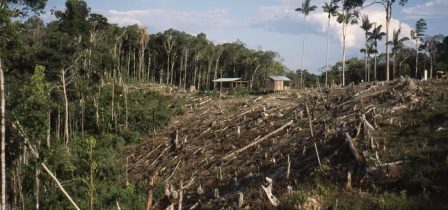
Lack of Cross-Commodity NDPE Implementation Allows Deforestation
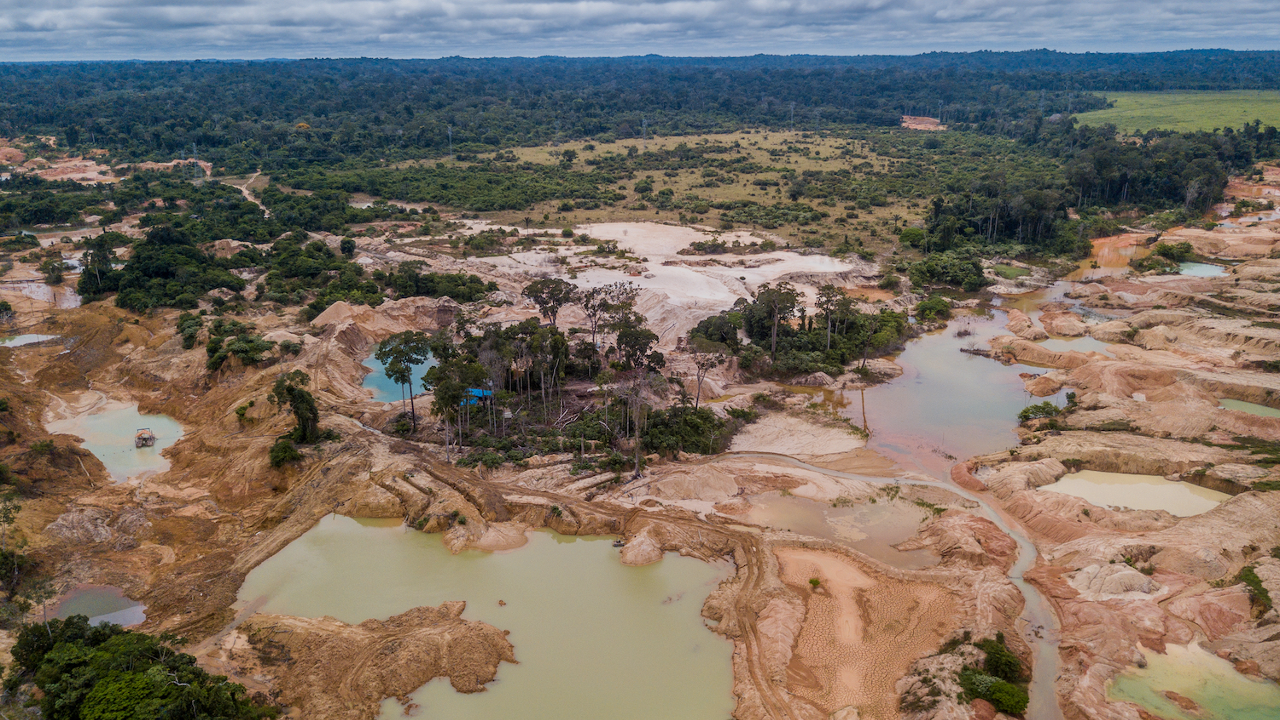
Palm oil buyers with No Deforestation, No Peat, No Exploitation (NDPE) policies have increasingly removed deforestation-linked palm oil suppliers from their supply chains. However, some palm oil buyers remain linked to deforestation as their palm oil suppliers continue to deforest in other sectors, such as timber and mining. Currently, NDPE policies are still applied to …
-
November 30, 2022 • Other (Beef, Timber, Coffee) • Latin America
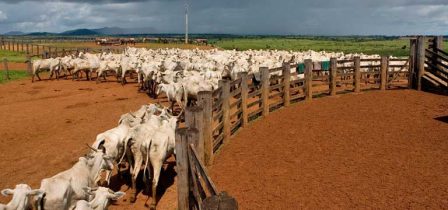
JBS, Marfrig, and Minerva Unlikely Compliant with Upcoming EU Deforestation Law
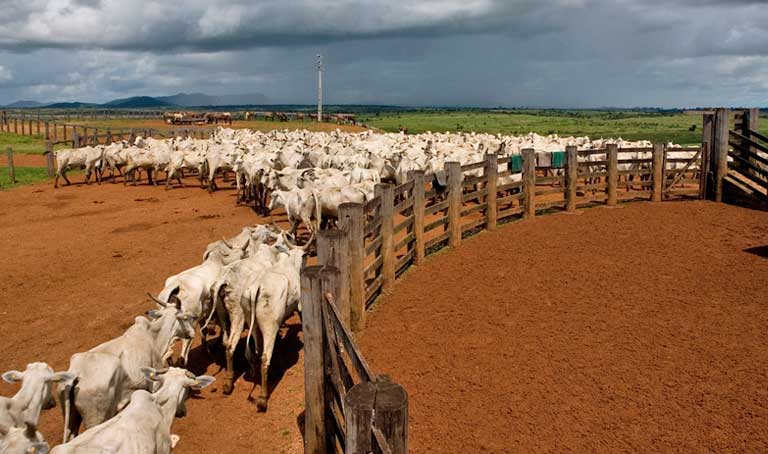
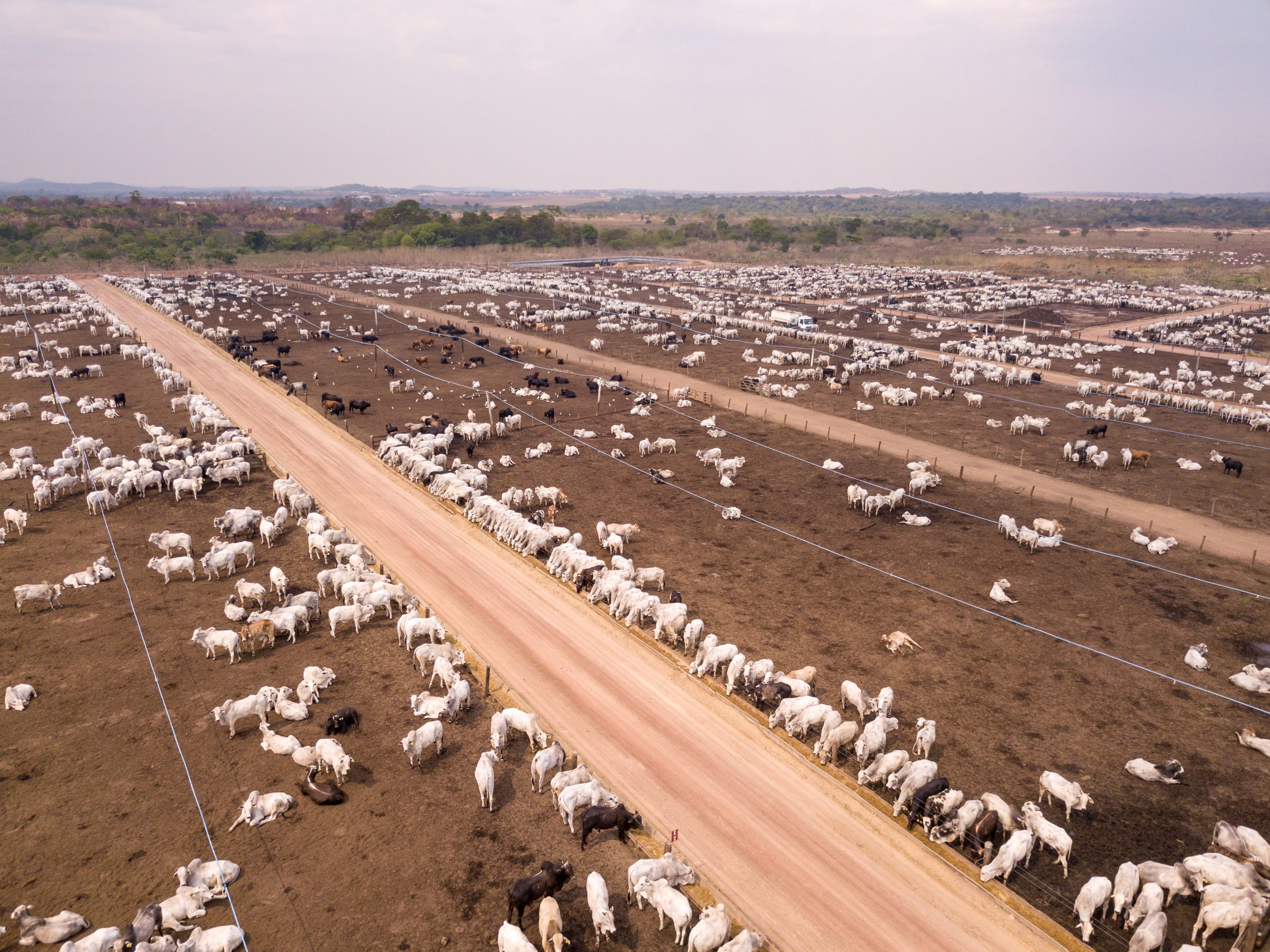
The upcoming EU Deforestation Regulation will have an impact on JBS, Minerva and Marfrig. A sample of 12,461 direct and 26,572 indirect suppliers of these key meatpackers shows recent deforestation that may end up in the European Union’s (EU) beef and leather consumption markets. Any deforestation after the proposed December 31, 2020 cut-off date would …
-
November 9, 2022 • Other (Beef, Timber, Coffee), Soy • Southeast Asia
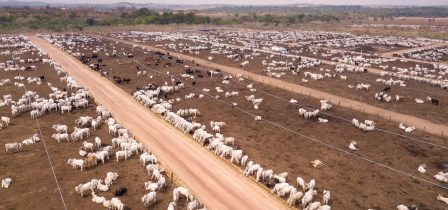
EU Deforestation Law: Traceability Viable in Brazilian Cattle and Soy Supply Chains
This report discusses the traceability requirement of the new EU regulation on deforestation-free products and the feasibility of its implementation in cattle and soy supply chains in Brazil. Traceability is crucial to ensure that commodity production is not linked to deforestation or forest degradation. Download the PDF here: EU Deforestation Law_Traceability Viable in Brazilian Beef …
-
July 8, 2022 • Palm Oil • Latin America, Southeast Asia

EU Deforestation Regulation: Implications for the Palm Oil Industry and Its Financers
This report discusses the EU’s regulation on deforestation-free products and how its requirements will affect the palm oil industry, one of the key commodities driving deforestation. The upcoming law, expected to be implemented in 2023, will have implications for palm oil supply chain actors and their financers. Watch our webinar covering the findings of this …
-
June 13, 2022 • Palm Oil • Southeast Asia
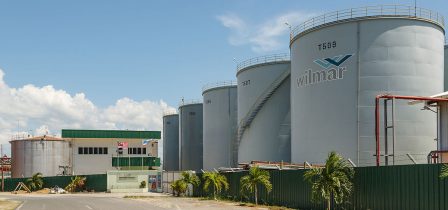
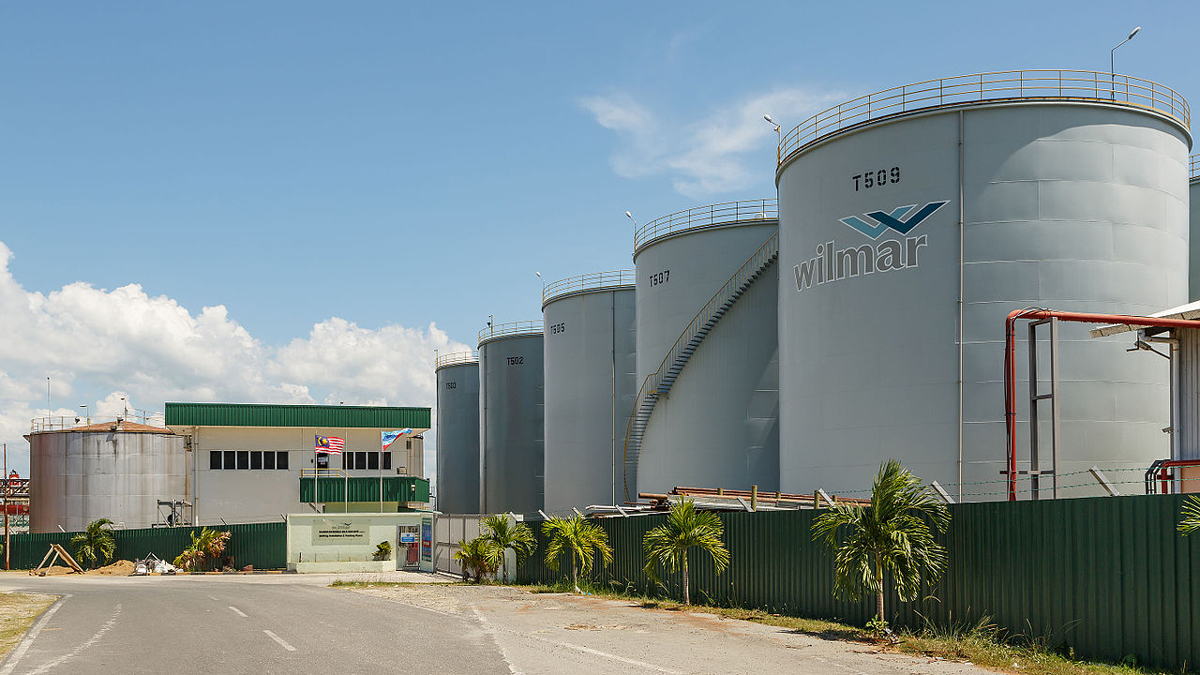
Wilmar’s Refineries and Brands Lag in Implementation of ESG Policies
Wilmar International is a leading company in the palm oil sector. It has 230,000 hectares of planted area and a 10 times greater palm oil footprint through its trading, refining, and fast-moving consumer good activities. Concerns about ESG violations and investor ratings have hampered Wilmar, an early adopter of RSPO certification and a frontrunner in …
-
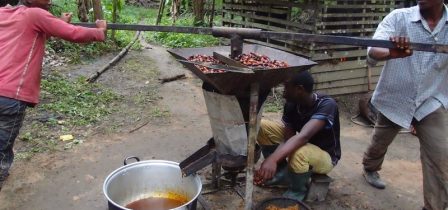
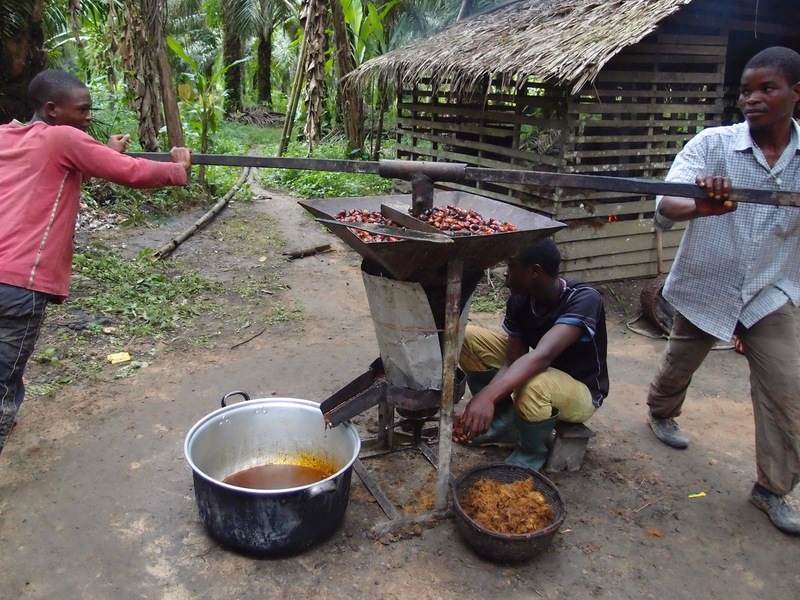
African Oil Palm Expansion Slows, Reputation Risks Remain for FMCGs
Although West and Central Africa have been promising regions for large-scale palm oil production, expansion has not gone as planned. Only a handful of companies control industrial palm oil production and will likely drive expansion, but on a smaller scale and at a slower pace than originally anticipated. Nevertheless, these companies have been linked to …
-
December 9, 2021 • Palm Oil • Latin America
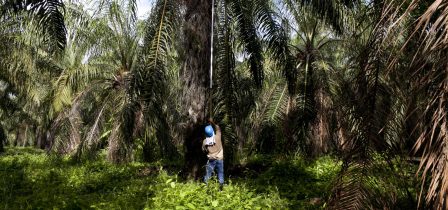
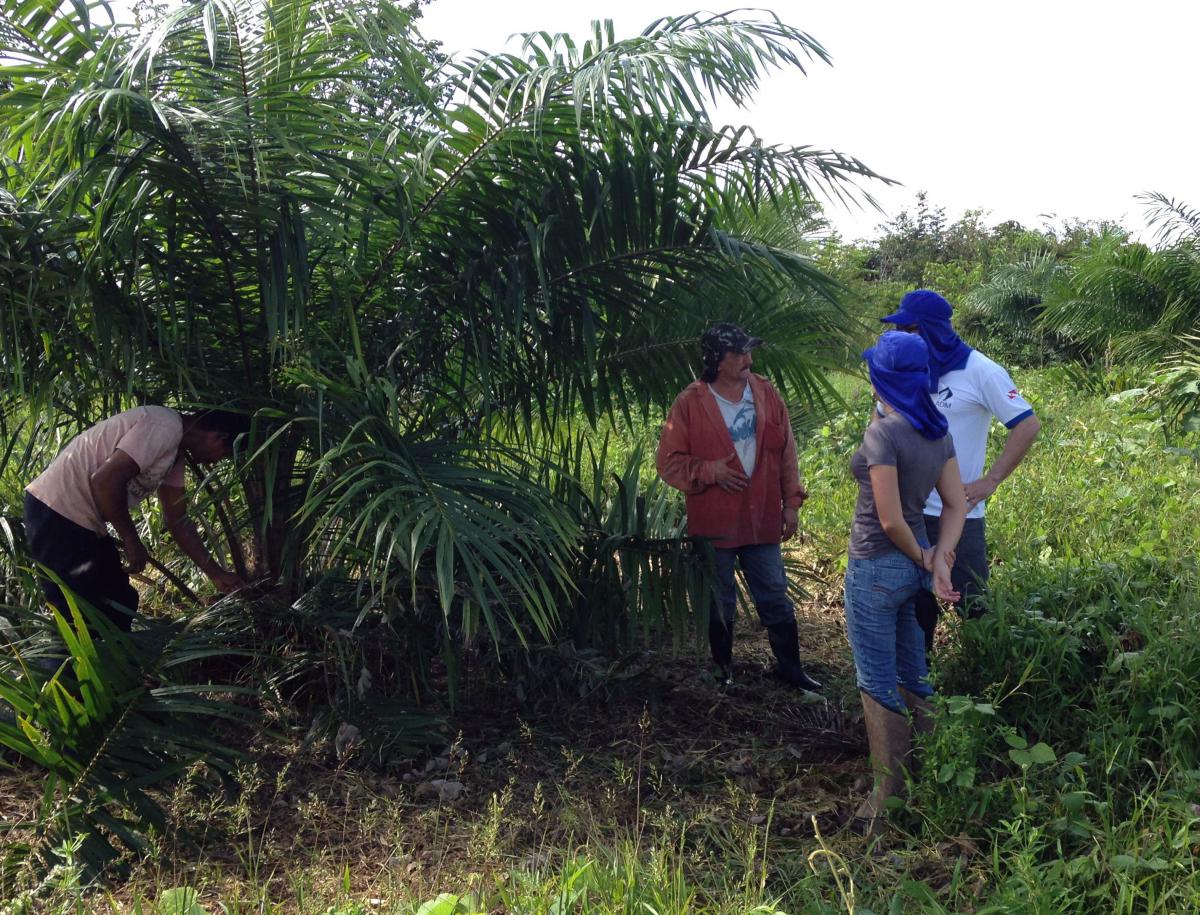
Latin American Palm Oil Linked to Social Risks, Local Deforestation
In the light of environmental and social sustainability concerns in relation to palm oil from Southeast Asia, several Latin American countries see an opportunity to open export markets as they present palm oil from the region as a more sustainable option. However, social and environmental sustainability concerns are also prominent in the Latin American sector …
-
December 7, 2021 • Palm Oil • Latin America
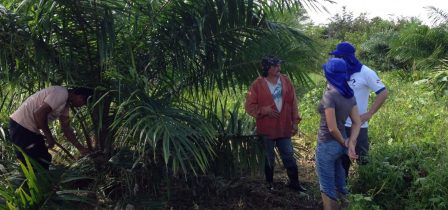
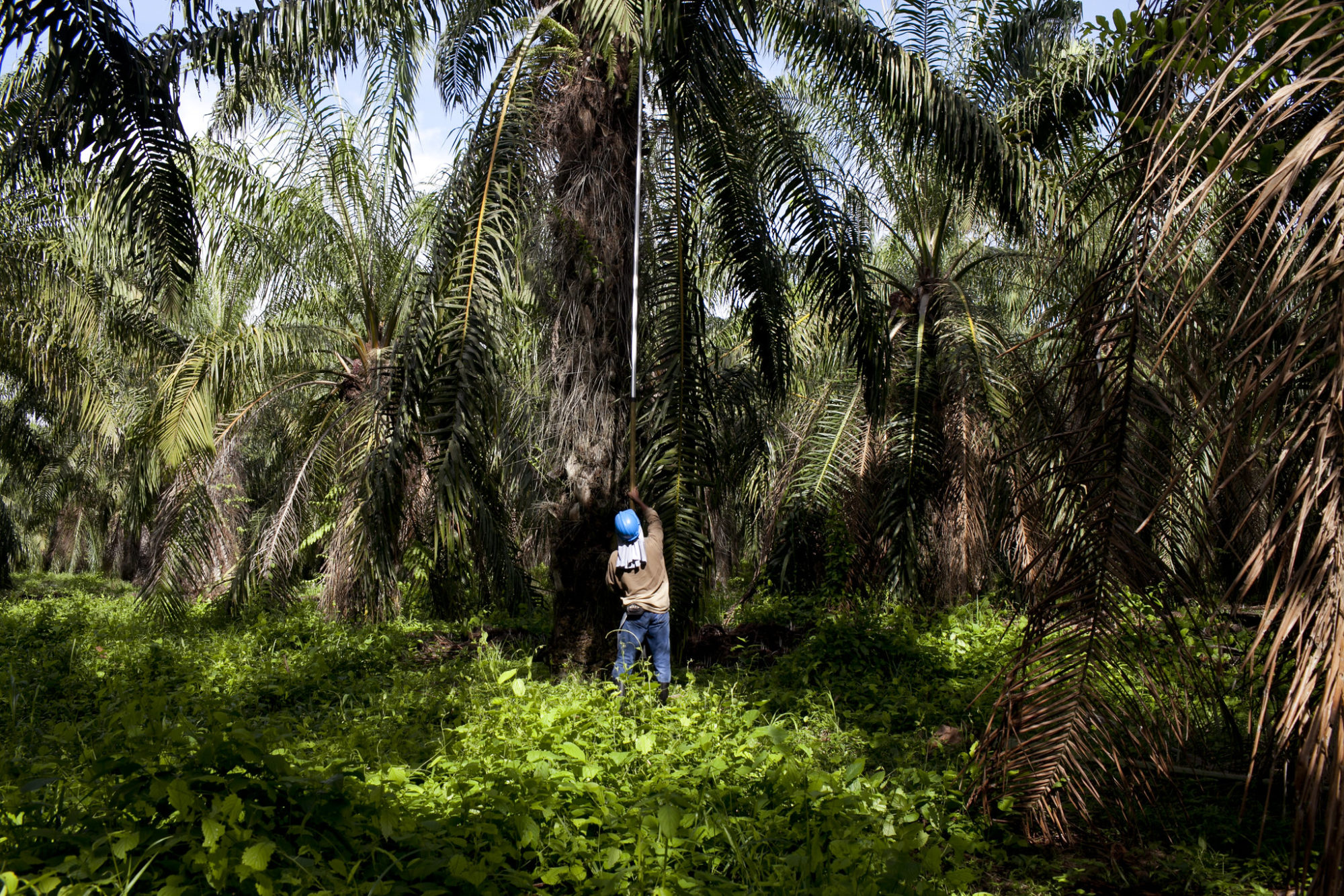
Palm Oil Production in Brazilian Amazon Threatens NDPE Commitments
Oil palm growers in Brazil have argued that palm oil production is a “green solution” to safeguard the Amazon as a result of planting on areas already degraded and cleared only before 2008. While palm oil production in the Brazilian Amazon has relatively lower environmental impacts than soy and beef, this paper shows how also …