-
June 28, 2021 • Palm Oil • Southeast Asia
Asian Banks Continue to Finance the Palm Oil Refining Sector as Leakage Declines
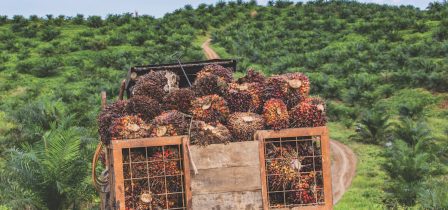
Despite the increase in palm oil refining capacity covered by No Deforestation, No Peat, No Exploitation (NDPE) policies, eight of 25 largest refiners are still operating in the leakage market. This report analyzes the financiers and investors in these companies, updating a study published by Chain Reaction Research (CRR) in 2018. The financial institutions are …
-
June 24, 2021 • Palm Oil • Southeast Asia
The Chain: MUFG Climate Shareholder Resolution Emphasizes the Bank’s Financing of Forest-Risk Commodities
Japanese bank Mitsubishi UFJ Financial Group (MUFG) is the target of the first ever climate change investor resolution that takes issue with high-risk commodities that cause deforestation. In March, Kiko Network and three individuals with the Rainforest Action Network (RAN), Market Forces, and 350.org Japan filed a resolution with MUFG, calling for the bank to …
-
June 22, 2021 • Palm Oil • Southeast Asia
Indonesian Moratoria: Loopholes, Lack of Sanctions Fail to Stop Palm Oil-Linked Deforestation
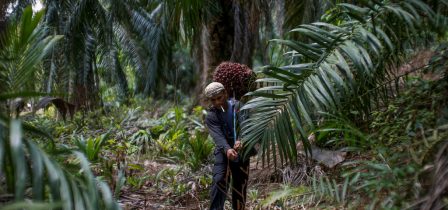
Indonesia’s government responded to the country’s loss of forests and peatlands and the 2015 fire and haze crisis with a forest-clearing ban, a moratorium on issuing of licenses for new oil palm plantations, and tightened peatland regulation. This report analyzes gaps in the moratoria amid looser environmental legislation and recently rising palm oil prices, and …
-
June 15, 2021 • Palm Oil •
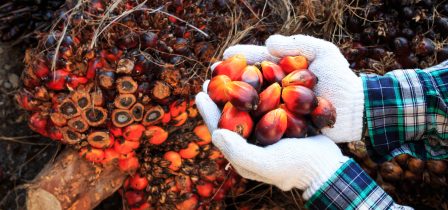
FMCGs, Retail Earn 66% of Gross Profits in Palm Oil Value Chain
The palm oil value chain contains a number of stakeholder groups, such as smallholders, large plantations, refineries, the fast-moving consumer good (FMCG) industry, the oleochemical and pharmaceutical industry, and the retail and food service sector. In every step of the chain, palm oil is further processed or is embedded in products which contain other ingredients, …
-
June 14, 2021 • Other (Beef, Timber, Coffee), Palm Oil • Southeast Asia
The Chain: Shareholder Resolution Pressures Sumitomo Corporation to Alter Climate Policies
Japanese trading house Sumitomo Corporation is seeing increasing pressure from NGOs and investors over its climate policies. In particular, the company is under increased scrutiny over its plans for a new coal-fired power plant in Bangladesh and its imports of wood chips, wood pellets, and palm kernel shells, which contribute to forest loss in Southeast …
-
June 9, 2021 • Palm Oil, Soy • Latin America
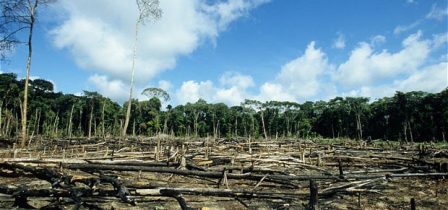
The Chain: Less Rainfall Caused by Amazon Deforestation Could Lead to Almost $200B in Losses for Beef and Soy Sectors
Beef and soy industries in the Southern Amazon region of Brazil are at risk of almost USD 200 billion of productivity losses due to Amazon deforestation, according to a new scientific study. The study, published in Nature Communications in May 2021, looked at the relationship between deforestation and rainfall. It also assessed the impact of …
-
May 14, 2021 • Palm Oil • Southeast Asia
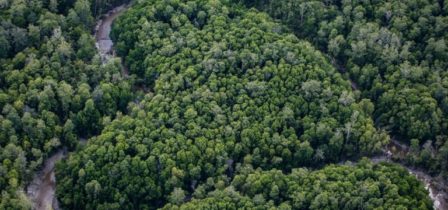
The Chain: Malaysian Company Maxim Global Loses Control of Tanah Merah Concessions in Papua, Forest in Danger of Being Cleared
A Malaysian conglomerate, Maxim Global, has lost control of its 80,000 hectares (ha) of forest in Papua. The forest forms part of the controversial Tanah Merah project, a block of seven concessions, four of which are the focus of an active RSPO complaint against the palm oil company Pacific Inter-Link/HSA Group. The loss of control …
-
May 7, 2021 • Palm Oil • Southeast Asia
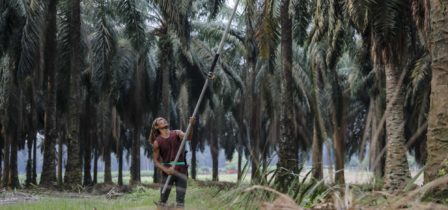
Oil Palm Expansion in Peninsular Malaysia Is Guided by Non-Transparency
Malaysia is the world’s second-largest palm oil producer, after Indonesia. Peninsular Malaysia accounts for more than 12 percent of world production and produces approximately half of Malaysia’s palm oil. It also hosts a large number of forests rich in biodiversity and large carbon stock. How are Peninsular Malaysia’s forests protected from more deforestation for oil …
-
April 19, 2021 • Palm Oil • Southeast Asia
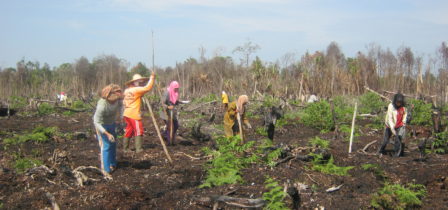
The Chain: Selangor State Agricultural Development Corporation Peat Clearing Risks Access to FMCG and Trader/Refiner Supply Chains
Plans by the Selangor State Agricultural Development Corporation (Perbadanan Kemajuan Pertanian Selangor/PKPS) to clear a peat swamp forest in Sabak Bernam District in the Malaysian state of Selangor risk the company’s presence in the supply chains of leading fast moving consumer goods companies (FMCGs) and traders/refiners. The plans have also triggered a coalition of NGOs …
-
April 9, 2021 • Palm Oil • Southeast Asia
Japan: Major Financier and Buyer of Leakage Palm Oil and Plywood
This report discusses the role of Japan in the worldwide palm oil and timber market, looking particularly at the country’s position as a buyer and financier of unsustainable palm oil and plywood. Download the PDF here: Japan: Major Financier and Buyer of Leakage Palm Oil and Plywood Download the Indonesian version here: Japan: Major Financier …